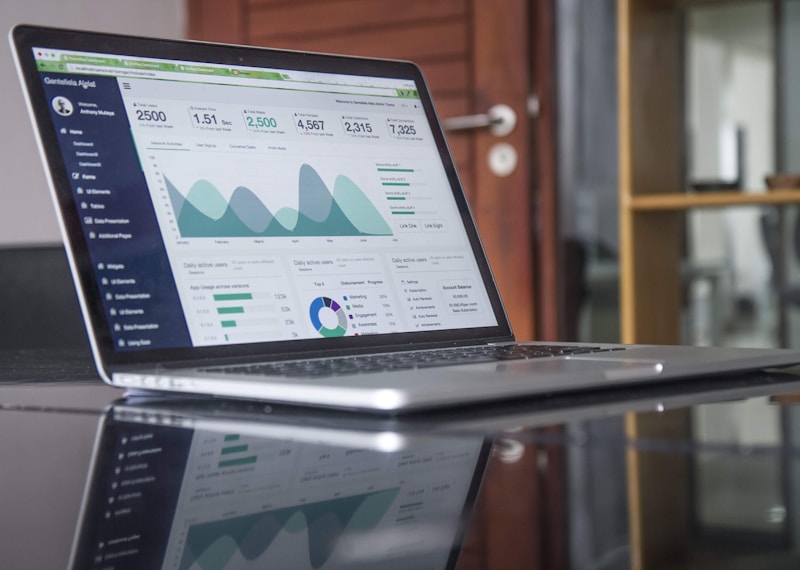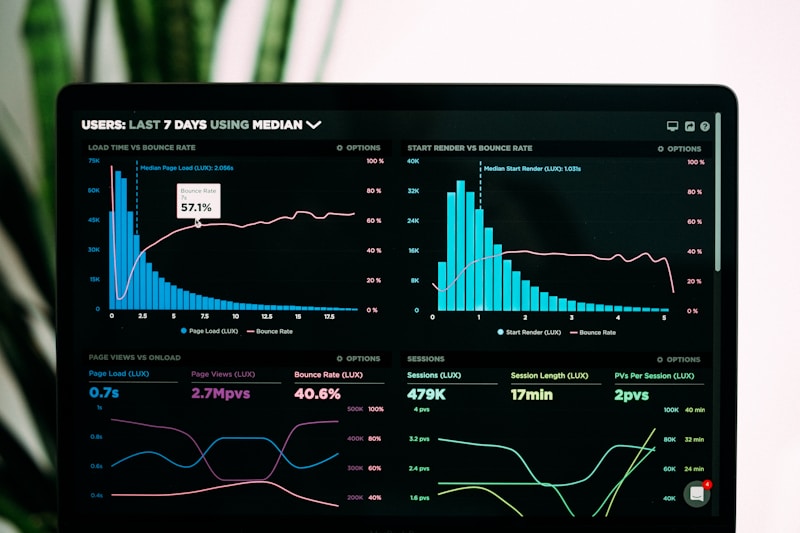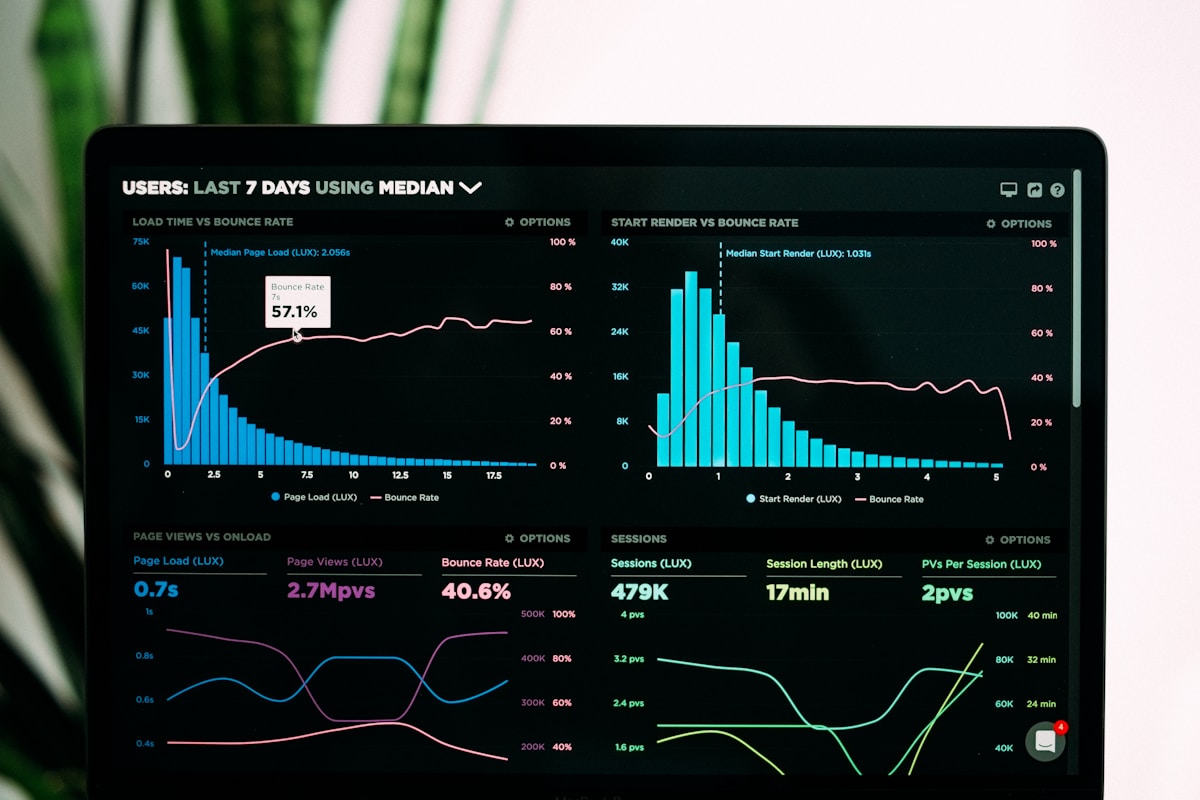
As we approach 2025, the landscape of data analytics is undergoing a profound transformation. Organizations are no longer asking "should we be data-driven?" but rather "how can we leverage data more effectively?" This shift represents a fundamental change in how businesses operate and make decisions.
The convergence of artificial intelligence, cloud computing, and advanced analytics tools is creating unprecedented opportunities for organizations to extract insights from their data. But with these opportunities come new challenges and considerations that analytics professionals need to address.
The Rise of Real-Time Analytics
Traditional batch processing is giving way to real-time data streams. Companies can no longer afford to wait hours or days for insights. The expectation is immediate access to actionable intelligence. This shift requires a fundamental rethinking of data architecture and processing pipelines.
Key technologies driving this transformation include:
- Stream processing frameworks like Apache Kafka and Apache Flink that enable real-time data ingestion and processing
- In-memory databases that dramatically reduce query latency for instant insights
- Edge computing that brings analytics closer to data sources, reducing latency
- Modern data platforms like Snowflake and Databricks that combine the best of data warehousing and data lakes
AI-Powered Analytics: Beyond the Hype
Artificial intelligence is not replacing data analysts—it's augmenting their capabilities. The most successful analytics teams are those that understand how to combine human expertise with AI-powered tools.
"The future belongs to organizations that can effectively blend human intuition with machine intelligence to make better, faster decisions."
Modern analytics platforms are incorporating AI in several ways:
- Automated Insight Generation: AI algorithms can now scan datasets and automatically surface interesting patterns and anomalies
- Natural Language Queries: Business users can ask questions in plain English and receive instant visualizations
- Predictive Analytics: Machine learning models can forecast trends and outcomes with increasing accuracy
- Anomaly Detection: AI systems can monitor metrics in real-time and alert teams to unusual patterns
Implementing AI in Your Analytics Stack
Here's a simple example of how Python and machine learning can enhance your analytics workflow:
import pandas as pd
from sklearn.ensemble import RandomForestClassifier

# Load and prepare data
df = pd.read_csv('customer_data.csv')
X = df[['age', 'income', 'purchase_history']]
y = df['churn']

# Train predictive model
model = RandomForestClassifier(n_estimators=100)
model.fit(X, y)

# Generate predictions
predictions = model.predict(X)
df['churn_risk'] = model.predict_proba(X)[:, 1]
The Democratization of Data
One of the most significant trends is the democratization of data access. Self-service analytics platforms are empowering business users to explore data without constantly relying on technical teams. This shift is transforming organizational culture and decision-making processes.
However, democratization comes with responsibilities:
- Ensuring data quality and governance
- Providing proper training and support
- Establishing clear guidelines for data usage
- Maintaining security and privacy standards
Key Skills for Future Analytics Professionals
To thrive in this evolving landscape, analytics professionals need to develop a diverse skill set:
- Technical Proficiency: Master SQL, Python, and modern analytics platforms
- Statistical Knowledge: Understand the mathematics behind the models
- Business Acumen: Connect data insights to business outcomes
- Communication: Tell compelling stories with data
- Ethics: Navigate the ethical implications of data usage
Looking Ahead
The future of data analytics is bright, but it requires continuous learning and adaptation. As new tools and techniques emerge, professionals must stay curious and willing to experiment. The organizations that will succeed are those that foster a culture of data-driven decision-making while maintaining the human element in analysis and interpretation.
The key takeaway? Embrace the change, invest in learning, and remember that technology is a tool to enhance—not replace—human judgment and creativity.